

The allure of chance and risk
One of the most captivating aspects of casino gambling is the thrill associated with chance and risk. The prospect of winning big, despite the odds being against the player, creates an intoxicating mix of excitement and anxiety. This psychological draw is deeply rooted in human nature, as individuals often feel a rush when they engage in risky behavior, particularly when exploring new betting sites that offer innovative gaming experiences. For many, the act of placing a bet or spinning a wheel provides an adrenaline high that is hard to replicate in everyday life. This innate desire for risk can be traced back to evolutionary psychology, where the allure of rewards often outweighed potential losses.
The excitement linked with the potential for victory can lead to a phenomenon known as «loss chasing.» Gamblers often find themselves trying to recover losses by increasing their stakes, motivated by the desire to regain lost funds. This behavior illustrates a foundational psychological principle: the sunk cost fallacy, where individuals continue investing in a situation, anticipating a better outcome. The allure of chance, combined with the motivations to win or recover losses, encapsulates why many are drawn to casinos and the games they offer. The stakes become more than just financial; they become emotional, leading players into a cycle that is hard to break.
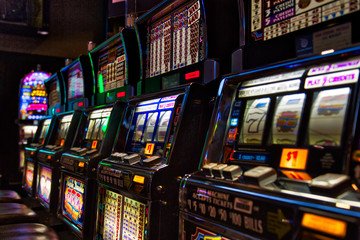
Moreover, the environment within casinos is intentionally designed to enhance this sense of excitement. From the vibrant lights to the sounds of rolling dice and spinning slots, every element contributes to a euphoric atmosphere. This carefully curated ambiance serves to heighten the emotional and psychological responses of players, making it difficult for them to resist the temptation to engage in gambling. The combination of sensory overload and the excitement of potential rewards creates a powerful psychological trigger that keeps players immersed in the gambling experience. Overall, the interplay between risk, anticipation, and sensory stimulation reveals a complex psychological framework that keeps players returning for more.
The role of cognitive biases
Gambling behavior is often influenced by cognitive biases, which can skew a player’s perception of reality and decision-making processes. One common bias is the «gambler’s fallacy,» where individuals mistakenly believe that past events influence future outcomes in independent probability games. For instance, someone might think that a particular slot machine is «due» for a win after a series of losses, ignoring the fact that each spin is independent of previous results. This misconception can lead players to bet more, driven by false expectations, and may eventually result in substantial financial loss.
Another cognitive bias prevalent among gamblers is the illusion of control. Many players believe they can influence the outcome of certain games through skill or strategy, even when the game is primarily based on chance. This belief is particularly noticeable in games like poker, where players might attribute their successes to skill rather than acknowledging the role of luck. This bias can keep players engaged longer, as they feel empowered to change their fate through their choices. The illusion of control can be particularly dangerous, as it not only encourages continued play but also fosters a false sense of competence.

Lastly, the confirmation bias often leads gamblers to focus on their wins while ignoring their losses. This selective memory encourages players to overestimate their gambling prowess, reinforcing the desire to continue playing. By emphasizing their wins and downplaying their setbacks, gamblers may fall into a cycle of repeated play, misinterpreting their experiences and reinforcing their gambling habits. The complex interplay of these cognitive biases highlights the intricate psychology behind casino gambling and the challenges of overcoming them. Understanding these biases can lead to better decision-making and potentially healthier gambling habits.
Addiction and escapism
For some, the thrill of gambling transcends simple enjoyment and crosses into the realm of addiction. Gambling addiction, or compulsive gambling, is a serious issue that can have debilitating effects on a person’s life. The psychological need to escape reality, coupled with the potential for monetary gain, can create a powerful desire to gamble compulsively. This behavior often stems from underlying psychological issues such as anxiety, depression, or the need for validation. The fine line between casual gambling and addiction can often be blurred, making it crucial to recognize the signs early.
Casinos can serve as an escape from the mundane or even traumatic aspects of daily life. For individuals facing stress, gambling can temporarily alleviate feelings of hopelessness or boredom. The distraction offered by gambling games provides a brief respite from real-world issues, making it an appealing avenue for those seeking solace. However, this temporary relief often spirals into a cycle of addiction, where the gambler feels compelled to return, seeking that same high once again. The cycle of addiction can lead to severe consequences, affecting not just the individual but their loved ones as well.
The consequences of gambling addiction can be severe, leading to financial, emotional, and relational instability. Individuals may neglect personal relationships or responsibilities, driven by their need to gamble. Consequently, it is crucial for those who feel they might be developing compulsive habits to seek help. Understanding the psychological factors at play can empower individuals to address their gambling behaviors effectively, paving the way for healthier coping mechanisms and restoration of balance in their lives. Professional support, peer groups, and self-help resources can play an instrumental role in recovery.
The impact of social factors
Social influences play a pivotal role in gambling behavior. The environment in which an individual is raised can significantly impact their attitudes toward gambling. For example, individuals from families where gambling is normalized may view it as a harmless pastime rather than a potentially harmful addiction. Peer pressure also contributes, as individuals may feel compelled to gamble to fit in or seek approval from friends, leading to increased gambling frequency and intensity. The social context can create an atmosphere where gambling is seen as a rite of passage or a social bonding activity.
In addition to family and peer influences, cultural attitudes towards gambling can further shape behavior. In some cultures, gambling is celebrated and integrated into social events, while in others, it is considered taboo or discouraged. These disparate views can affect how much individuals gamble and their perception of its consequences, contributing to varying gambling practices across different societies. Understanding these social influences is crucial in addressing and mitigating problematic gambling behaviors. Awareness of cultural context can aid in developing more effective prevention and intervention strategies.
The rise of online gambling platforms has also transformed social dynamics in gambling. Players can engage in gambling activities from the comfort of their homes, often fostering a sense of anonymity that can lead to increased risk-taking. This shift allows individuals to gamble without the social oversight present in traditional casino settings, potentially exacerbating addiction issues. As social factors evolve with technology, it becomes increasingly important to examine the intricate relationship between social influences and gambling habits to provide comprehensive support and education.
Exploring responsible gambling resources
As awareness of the psychological complexities associated with gambling grows, so too do the resources available for promoting responsible gaming. Many organizations and websites provide valuable information, support systems, and tools to help individuals recognize and manage their gambling habits. These resources often include self-assessment tools, educational materials, and access to professional advice, empowering players to make informed decisions about their gambling behaviors. These initiatives aim to create a safer gambling environment, where players can enjoy games without risking their well-being.
Additionally, casinos themselves have begun implementing responsible gaming initiatives designed to foster a safer gambling environment. Many establishments have adopted measures such as self-exclusion programs, where players can voluntarily ban themselves from gambling activities for a period of time. These programs aim to provide individuals with a way to regain control over their gambling habits and mitigate the risk of addiction. Awareness campaigns and information about the risks associated with gambling are also becoming more prevalent, promoting healthier attitudes and responsible gambling practices. The collaboration between casinos and support organizations is vital in creating a culture of responsibility.
Ultimately, understanding the psychology behind gambling habits is essential not only for individuals seeking to engage with casinos responsibly but also for families, communities, and policymakers. By fostering dialogue and education about gambling behaviors, society can work towards reducing the stigma around addiction, encouraging healthier gambling practices, and supporting those who may struggle with compulsive behaviors. Comprehensive resources and support networks are vital to ensuring responsible gaming and promoting overall mental well-being. Such initiatives can lead to a more informed public, ultimately fostering a healthier gambling environment.
